
Hard Hats (Type 1 & Type 2)
1 productBrowse Subcategories
All Hard Hats (Type 1 & Type 2) Products
Filters
$
—$
1 product
Sort by:
What Are Type 1 and Type 2 Hard Hats?
Hard hats are the basic head protection most crews wear on jobsites and around trucks. They have to meet the ANSI/ISEA Z89.1 standard because OSHA says you need them any time falling objects, impact, or electrical shock are possible.
The type 1 hard hat must pass the test of a blow directly to its top. The type 2 hard hat must pass all these tests of the type 1 hard hat plus additional tests of blows that are not direct to its top. The type 2 hard hat is occasionally referred to as class 2 or level 2 hard hat.
Types of Hard Hats We Carry
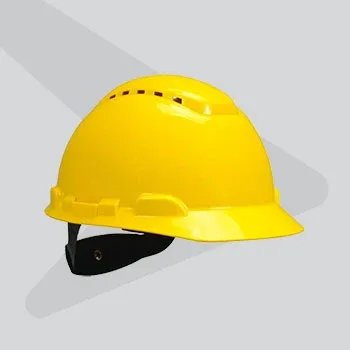
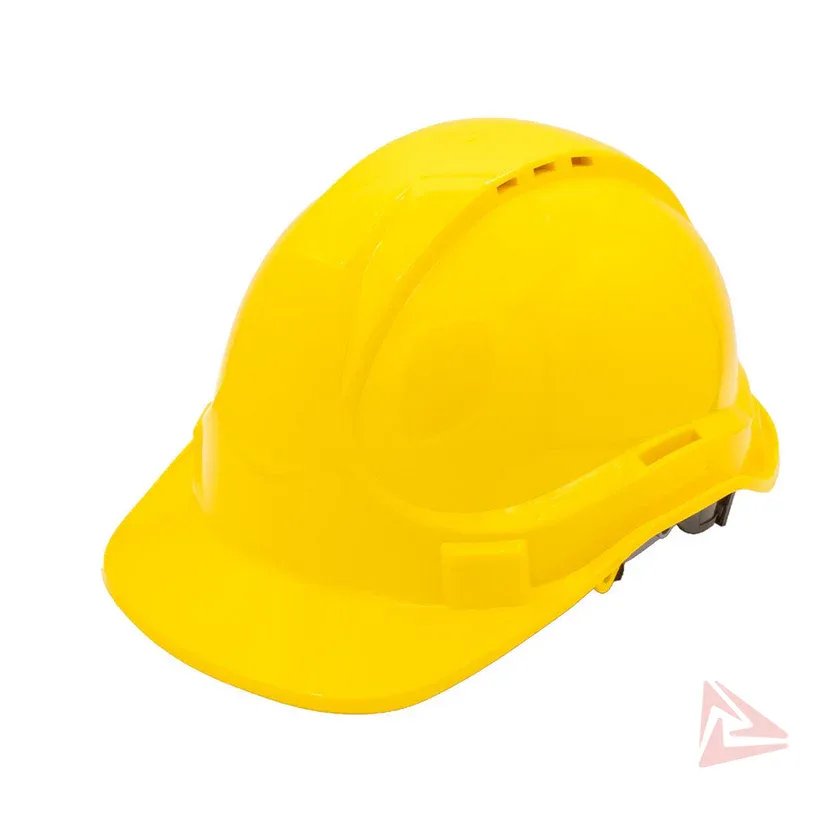
Cap style hard hat in safety yellow ABS with a short 3-1/4" front brim
Padded fabric lining and 6-point ratchet suspension that adjusts up to 24"
Vented hard hat shell with three holes per side for airflow on hot docks, plus slots for earmuffs or a face shield
Vented design means no electrical protection-check the label inside for exact ANSI Type and Class
Full brim hard hats, non-vented Class E options, and Type 2 safety helmets with chin straps are common on the market and may be added later
ANSI Z89.1 Types of Hard Hats, Classes and Markings Explained
Look inside any hard hat and you’ll see the ANSI Z89.1 stamp-most still show the 2014 edition even though the standard got updated in 2026. That label is what matters.
Class G handles 2,200 volts, Class E goes up to 20,000 volts, and Class C means no electrical protection at all. A vented hard hat is always Class C, so if you’re near live lines grab a non-vented type 2 class e hard hat instead.
Extra marks you might see: LT for cold testing down to -30 °C, HT for heat up to 60 °C, and a reverse-wearing mark that lets you spin the hat around. The 2026 update added Type I+ and Type II+ with chin-strap tests and changed “high-vis” to “enhanced visibility,” but the old Types and Classes stay good.
Where Truck Drivers Need Hard Hats
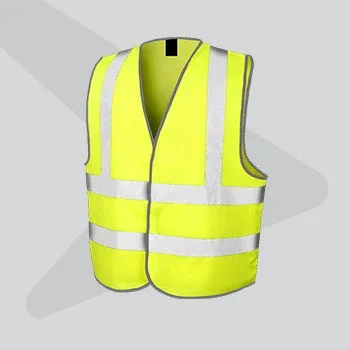
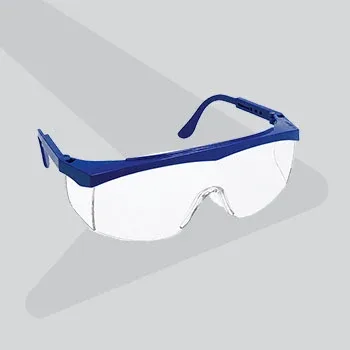
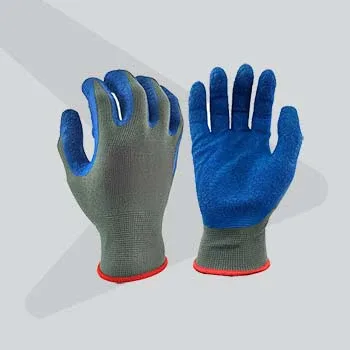
Steel mills: Nucor won't load until the driver has a hard hat, safety glasses and safety shoes on at outdoor loading and tie-down areas. Steel Dynamics lists a hard hat, safety glasses, hi-vis and gloves for carriers on site.
Port terminals: New Orleans Terminal and Seattle terminals 5 and 18 require Type 1 and Type 2 hard hats once a driver leaves the cab. Many sites don't - APM Terminals Los Angeles asks only for a vest. Check before arrival.
Flatbed and tanker drivers at big carriers such as Schneider wear hard hats while loading and unloading.
How to Choose, Fit and Replace Hard Hats
Choose the most suitable hard hat depending on the danger that prevails: Type I for falling objects, Type II hard hats for side impacts, Class E non-ventilated where there are power lines, and full-brimmed for sun or rain protection.
Make sure the hat is snug-fitting using the ratchet system-no baseball cap allowed under the suspension-and do not use suspensions from different manufacturers together.
Replace the suspension every 12 months and the shell within 5 years (or sooner in hard sun, heat or chemicals). Toss it right after any impact, even if it looks fine. Hard hat service life ends the day the shell gets chalky, cracked or faded.
Do not store on the dashboard-heat above 120 °F ruins the plastic.
Why Order Hard Hats from Fleet-Hero
A solid cap-style hard hat with a 6-point ratchet runs cheap enough to keep a spare in every truck.
You can grab the hard hat, vest and glasses in one order, the exact combo most mills and terminals want to see. Hard hats for sale sit right next to the cargo straps, tarps and tools flatbed drivers already buy here.
At Fleet-hero.com you will find hard hats trusted by truck drivers and fleets, with fast shipping to the Lower 48.