
Safety Glasses
1 productBrowse Subcategories
All Safety Glasses Products
Filters
$
—$
1 product
Sort by:
What Are Safety Glasses?
Standard prescription glasses just won't cut it when dust or steel chips start flying-work safety glasses are actual protective eyewear built for real jobsite impact. To count as real protection, they must pass the ANSI/ISEA Z87.1-2025 standard (issued January 2026) and show a visible Z87 marking right on the frame or lens.
Types of Safety Glasses We Carry
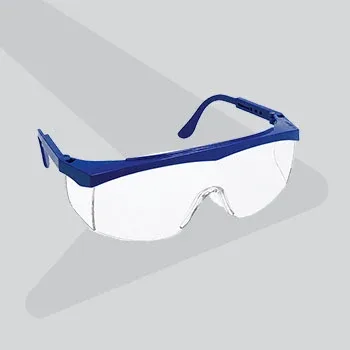
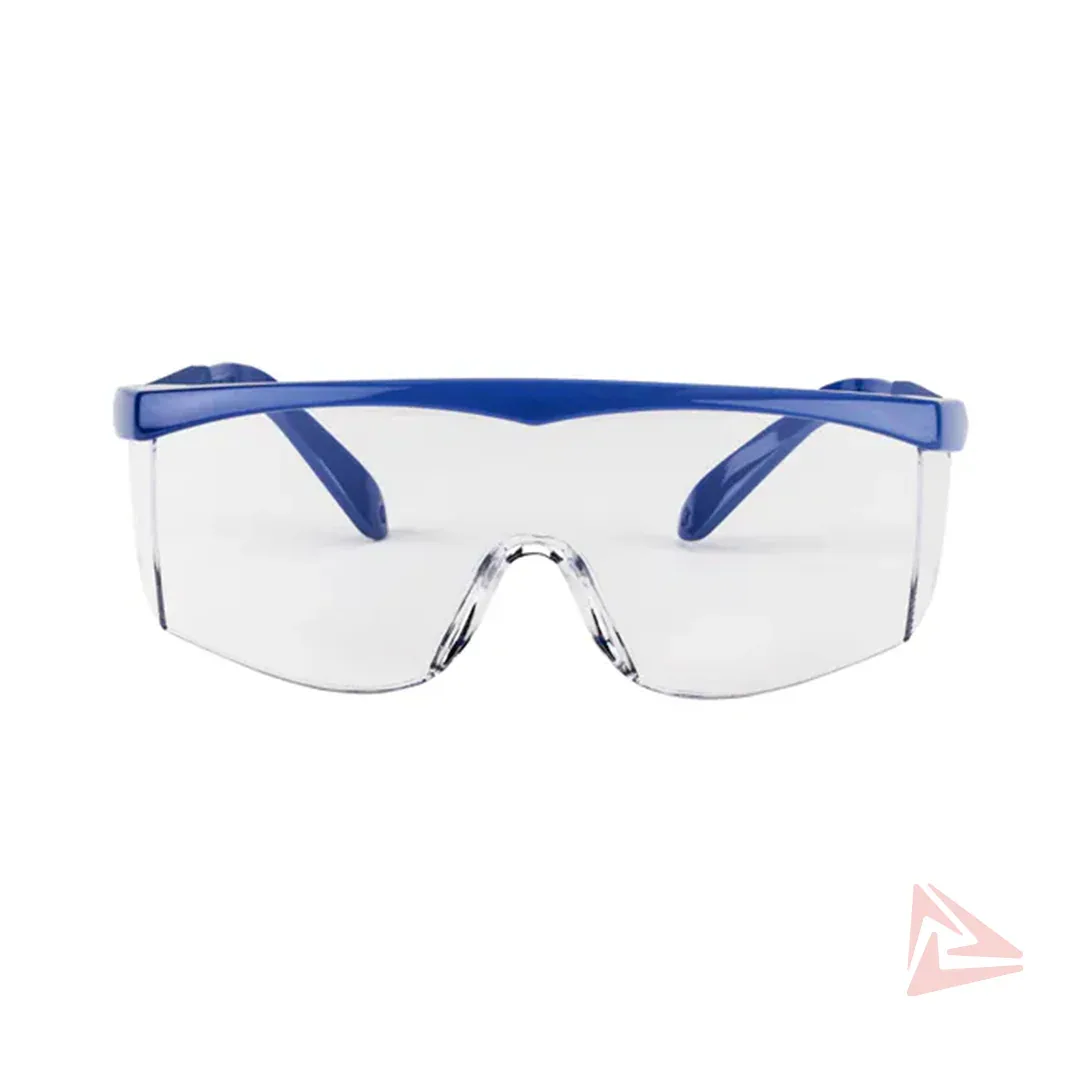
Clear wrap-around safety glasses with anti-scratch coating, molded side coverage and adjustable temples - the everyday pair for docks, trailers and the shop.
Safety glasses with side shields that cover the eye from front and sides in one solid piece, nothing to lose or knock loose.
Clear safety glasses with side shields built for quick grab-and-go use on the yard or in the bay.
ANSI Z87.1 Ratings, Lens Tints and Side Shields Explained
Z87 vs Z87+ - Z87 covers the standard's basics. Z87+ means high-impact testing passed: a ¼ in steel ball at 150 ft/s, plus a 500 g pointed weight dropped 50 in.
Side shields - Impact-rated specs need continuous side coverage, so it's built in. Detachable shields on Z87+ eyewear must carry their own Z87+ mark. OSHA asks for side protection when flying objects are a hazard and accepts clip-on or slide-on shields that qualify - though an employer can still demand permanent ones.
Lens marks - U6 is top UV, X means anti-fog, L is light filter (L4 and darker shouldn't be worn driving).
Lens tint - clear indoors and at night, smoke or gray in sun, amber for low light, indoor/outdoor mirror for trailer-to-yard work.
Where Truck Drivers and Shop Crews Wear Safety Glasses
Flatbed tarping and chaining - carriers list safety eyewear glasses for tarping, chaining and work near machinery, and tell drivers to keep a spare pair in the truck.
Loading and unloading - carrier guidance calls for eye protection that shields from the front and sides against flying debris.
Truck shop and yard - grinding, drilling and air tools throw particles; OSHA side protection applies, and construction sites follow the same wording under 29 CFR 1926.102.
Port terminal PPE - OSHA 29 CFR 1917.91 calls for protection that fits over prescription glasses or prescription safety lenses.
Chain binders - a lever binder releasing under tension can whip forward hard. Glasses help, but staying out of the line of fire matters more.
Do Z87 glasses need side shields? Impact-rated specs have continuous side coverage built in. Detachable shields must carry their own Z87+ mark.
How to Choose, Fit and Care for Safety Glasses
Match the eyewear to the hazard first. Grinding and cutting throw particles, so work safety glasses need side shields that close the gap at the temples. Sun glare calls for a smoke or gray lens; humid cab conditions or winter work beg for anti-fog; dust and chemical splash mean goggles instead. Prescription wearers cannot simply wear their everyday frames - OSHA 1910.133(a)(3) requires over-the-glass or prescription safety glasses built to standard.
Fit decides everything: adjustable temples, a soft nosepiece and a light frame keep comfortable safety glasses seated all shift. Polycarbonate lenses beat glass on impact but scratch easier, so an anti-scratch hard coat earns its keep in a truck. Pitted or deeply scratched lenses cut vision and weaken fast - replace them, and store spare pairs in a clean case, not on the dash.
Why Order Safety Glasses from Fleet-Hero
Work safety glasses keep drivers compliant at loading docks, mills, and distribution hubs. Since employers must supply required PPE at no cost, fleet management can consolidate protective eyewear with hard hats and high-visibility vests into a single fleet PPE program. Enjoy local pickup in Addison, IL or prompt U.S. shipping across the Lower 48.