


Winch Bars for Flatbed
1 productBrowse Subcategories
All Winch Bars for Flatbed Products
Filters
$
—$
1 product
Sort by:
What Is a Winch Bar and How Does It Work?
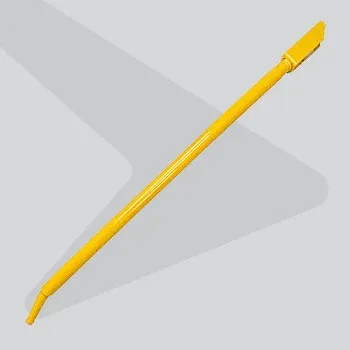
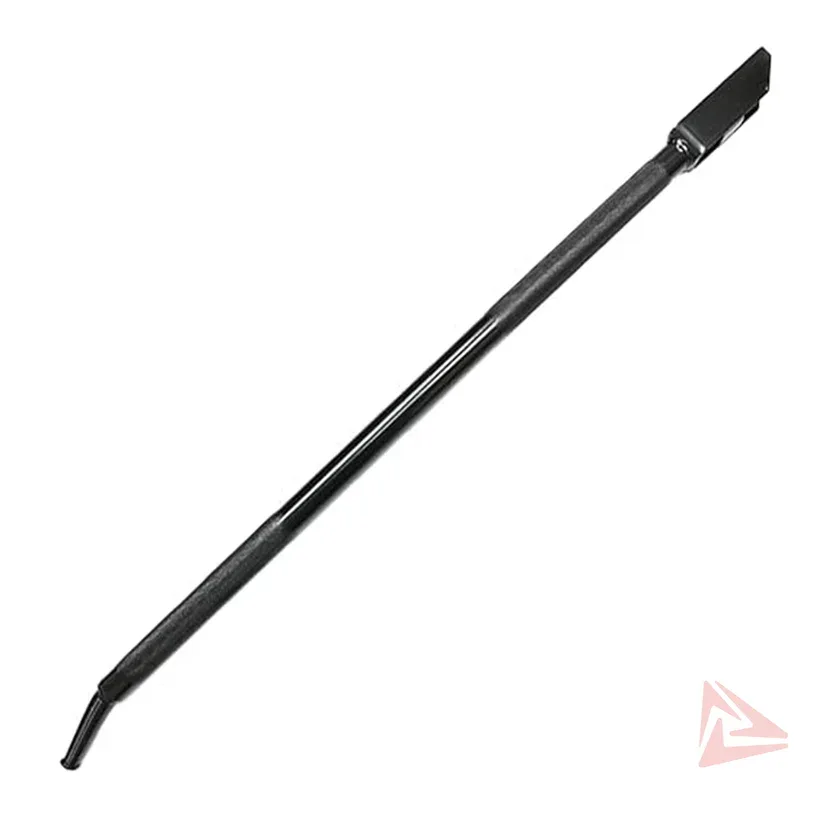
A winch bar is a forged-steel hand tool utilized to crank flatbed trailer winches and manage tension on winch strap assemblies during cargo securement. The tapered mushroom tip seats into the winch's end cap, enabling the operator to use the knurled handle for the leverage required to rotate the mechanism. Combination winch bars are also engineered with a specialized hollow end to release lever-style chain binders. At Fleet-hero.com, you will find a wide range of winch bars-including standard, combination, and ergonomic models-for every flatbed trailer setup. Our equipment ensures predictable cargo securement in real working conditions.
Types of Winch Bars: Standard, Combination and Ergo 360
Three bar configurations exist for flatbed winch operation.
Standard winch bar - A single‑piece steel rod. One portion has a textured grip surface. The opposite end carries a retention shape that seats inside the winch drum. Rotating the rod increases or decreases strap tension. Surface options: matte black or reflective silver.
Combination winch bar- Same front geometry as the base model. The tail end features a hollow rectangular fitting. That fitting slides over cam‑type chain tensioners and disengages them. One tool addresses both webbing and chain securement.
Ergo 360 winch bar - Ancra’s continuous‑rotation bar. The grip section turns a full circle while the retention tip remains locked in the winch. Handle repositioning occurs without withdrawing the tool. Ratchet winch bar (high‑torque variant). Increased steel cross‑section. Suited for moving exceptionally heavy freight.
Length, Material and Build Quality
Fleet Hero inventory consists of high-tensile drop-forged steel tools designed for maximum durability. Our 24" / 30" / 34" winch bar options cater to varied operational needs: the compact 24-inch model suits auto haulers, while the 34-inch length provides superior leverage for heavy flatbed loads. Each bar features a precision-tapered mushroom tip to ensure a secure fit in standard winch end caps, paired with a knurled handle for a non-slip grip during high-tension tasks.
These bars meet rigorous torque rating standards-often exceeding 1,000 lb-ft-to prevent bending under stress. Available in chrome, black-painted, or powder-coated finishes, our drop-forged steel equipment resists corrosion, ensuring a long service life and reliable torque rating performance on every haul.
How to Use a Winch Bar Safely (with Winches and Lever Binders)
Proper winch strap tensioning requires inserting the bar's tip fully into the end cap and pulling toward the body to prevent injury. Operators must maintain a firm stance to ensure snapback safety, especially when reversing the rotation to loosen loads. When utilizing a combination tool to release lever binder mechanisms, hook the square end securely over the handle and apply steady, controlled pressure.
Avoid excessive force that could distort the winch barrel or damage the strap webbing. Always inspect tools for structural cracks or worn knurling before use. Maintaining strict snapback safety protocols and monitoring the winch barrel integrity during winch strap tensioning or when you release lever binder locks ensures a secure, professional transport environment.
Where Winch Bars Are Used (Flatbed, Auto Hauler, Step Deck, Logging)
Primary application is flatbed trucking - tensioning winch straps across lumber, pipe, steel, and palletized freight.
A step deck trailer follows the same workflow, often requiring a longer bar for heavier loads.
Auto hauler operations use a shorter bar (24 inches) to fit compact strap winches on car carriers.
Logging trailer securement demands heavy‑duty bars for high‑tension log bundle retention.
Equipment haulers deploy winch bars alongside chain binders and ratchet straps to lock skid steers, mini‑excavators, and attachments.
Hotshot — gooseneck and bumper‑pull flatbed setups - carries a winch bar as standard kit.
Each configuration requires correct bar length and tip geometry matched to the winch type.
How to Choose a Winch Bar
When considering how to choose a winch bar, prioritize the relationship of length vs leverage. A 34 inch or 36 inch bar is standard for general flatbed work, while auto hauler setups with tight spacing may require a compact 24 inch model. For heavy-duty loads, lengths exceeding 36 inches provide the necessary mechanical advantage.
Compare standard vs combination vs Ergo 360 designs based on your equipment. Standard bars tension straps, while combination versions include a hollow end for lever binders. Ergo 360 models offer ergonomic rotation for high-volume loading. Ensure your bar features a mushroom tip for safety and a knurled handle for grip.
Feature | Application | Benefit |
Standard | Strap Tensioning | Reliable, classic lever design |
Combination | Straps & Chains | Works with winches and lever binders |
Ergo 360 | High Volume | 360°rotation reduces physical strain |
Chrome | All-Weather | High visibility and rust resistance |
Black Painted | Industrial | Scratch resistance for daily use |
Why Order Winch Bars from Fleet Hero
Full lineup available: standard, combination, and Ergo 360 bars in 24″, 30″, 34″, and 36″+ lengths. Each bar is drop‑forged carbon steel with a knurled non‑slip grip and torque ratings of 1,000-1,100 lb‑ft.
Buy winch bars with confidence-fleet pricing applies to owner‑operators and carriers, with volume discounts on case quantities. Fast U.S. shipping to the Lower 48. Winch bars for sale include models made in USA where applicable. Consistent specs load after load enable easy re‑order. Pair with winch straps, ratchet straps, and strap winders from the same catalog for a complete securement setup.